
Structured Micro-Workout Plans
Three timed routines for general movement education — not personalised training or medical advice. Minute-by-minute guides with beginner-friendly modifications; stop or adjust if anything feels uncomfortable.
5 Minutes for Your Back
Prolonged sitting compresses spinal discs and shortens hip flexors — a pattern common among remote workers across South-East Queensland. This five-minute sequence targets the thoracic spine, lumbar region, and surrounding muscles without requiring floor space.
- Minute 1 — Cat-cow (seated or on hands and knees): Alternate arching and rounding your spine with slow breaths. Eight to ten repetitions.
- Minute 2 — Seated twist: Place one hand on the opposite knee, rotate gently, hold fifteen seconds each side.
- Minute 3 — Standing extension: Hands on lower back, lean back slightly, then return to neutral. Repeat six times.
- Minute 4 — Shoulder blade squeeze: Pull shoulders back as if holding a pencil between them. Hold five seconds, release. Ten reps.
- Minute 5 — Child's pose or forward fold: Hold a gentle stretch, breathing deeply. Stand up slowly when finished.
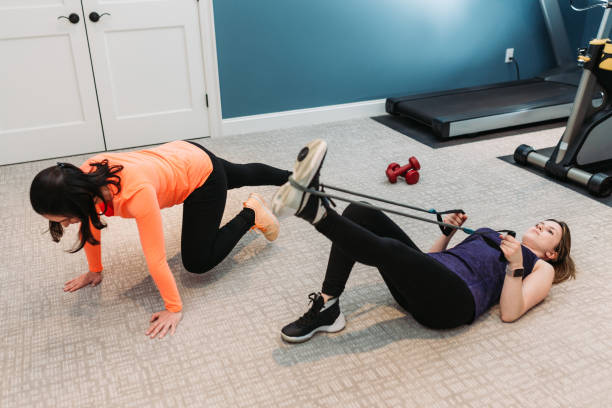
7-Minute Bodyweight Circuit
This circuit uses compound bodyweight movements to engage major muscle groups efficiently. Work at a pace where you can still speak in short sentences — if breathing becomes too laboured, extend rest periods. This is general education, not a personalised training prescription.
- 0:00–1:30 — Squats or chair squats: 30 seconds work, 15 seconds rest, repeat twice.
- 1:30–3:00 — Wall push-ups: same interval structure.
- 3:00–4:30 — Reverse lunges alternating legs.
- 4:30–6:00 — Plank hold or elevated plank on a bench.
- 6:00–7:00 — March in place and deep breathing cooldown.
Australian physical activity guidelines encourage muscle-strengthening activity on two or more days per week as part of a balanced lifestyle. This plan may contribute when combined with other weekly movement — individual needs vary.
10-Minute Calm Break
When work feels demanding, a short wind-down routine may help some people transition to the next task. This session prioritises slow breathing and gentle movement — not medical or psychological treatment.
Minutes 1–3: Box breathing
Inhale four counts, hold four, exhale four, hold four. Repeat. Used by athletes and first responders to stabilise the nervous system before high-focus tasks.
Minutes 4–6: Progressive muscle relaxation
Tense each muscle group for five seconds, then release — start at feet, move upward to forehead. Notice the contrast between tension and relaxation.
Minutes 7–8: Neck and shoulder rolls
Slow circular movements in both directions. Avoid forcing range of motion.
Minutes 9–10: Seated meditation or quiet observation
Focus on breath or a neutral object. If thoughts wander, gently return attention without judgement.
Health & Safety Guidelines
These plans assume general good health. Avoid holding your breath during strength movements — exhale on exertion. If you have spinal conditions, recent injuries, or cardiovascular concerns, consult a physiotherapist or GP before starting new routines.
Wear supportive footwear for standing exercises. On hot Brisbane days, choose cooler morning or evening slots and keep water nearby. Discontinue any movement that causes pinching, numbness, or radiating discomfort. This site does not provide medical assessment. For urgent concerns, call 000.
Plan FAQs
Yes. Many people do the back plan mid-morning, the bodyweight circuit at lunch, and the calm break in the evening. Space them at least two hours apart if a session felt demanding.
Partial sessions still count. Do what you can and note which segment you skipped — that feedback helps you adjust next time.