Breathing focus
Some people use longer exhales as part of a calming routine during the final two minutes of a session. Effects vary by person — this is not medical advice.

General education on how short movement breaks may fit into everyday life — not medical advice or outcome promises.
Feeling sluggish at 2 pm is common among office workers and parents juggling school pickups. A brief movement break may help some people feel more alert — this is general lifestyle information, not a guarantee of energy or performance.
Public health messages in Australia encourage breaking up long sitting periods. Short activity bouts may contribute to weekly movement goals for some people; always follow advice from your health practitioner if you have a medical condition.
Practical tip: pair energy-focused sessions with natural low points in your circadian rhythm — typically early afternoon. Keep intensity moderate so you return to work feeling clearer, not depleted.
Attention is a finite resource. After sustained cognitive work, many people take a short break. A micro-workout differs from scrolling social media because it involves physical movement — whether that helps your focus is individual.
Some research has examined activity breaks in workplaces and classrooms; findings vary by study design. Micro-workouts are not a substitute for sleep, nutrition, or professional care.
Try the five-minute back plan between video calls, or a two-minute walk before reviewing complex documents. Notice whether task-switching feels smoother afterward.
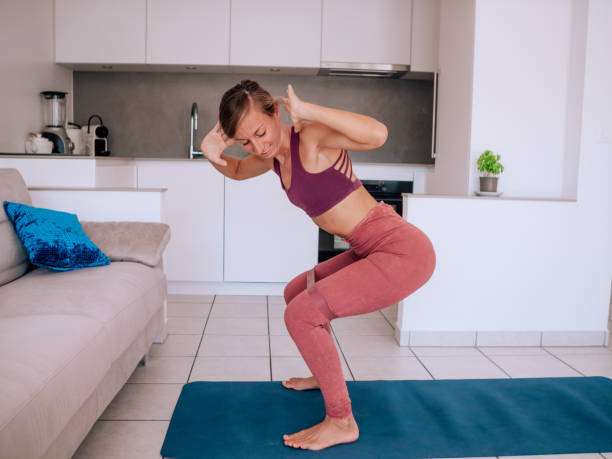
Everyday tension can build during busy workdays. Gentle stretching combined with slow breathing is a common wind-down approach some people use between tasks. It is general lifestyle education — not counselling, therapy, or medical treatment.
Micro-workouts can mark a boundary between work and personal time. Closing the laptop and spending ten minutes on the calm-break plan is a personal routine some remote workers find helpful.
Some people use longer exhales as part of a calming routine during the final two minutes of a session. Effects vary by person — this is not medical advice.
Systematically tensing and relaxing muscle groups teaches recognition of hidden tension you may carry through meetings.
West End's parklands offer a change of scenery. Even a slow walk along the river can be a short movement break between tasks.
Goals give structure without rigidity. Choose one primary focus per fortnight and rotate as needed.
Review goals every two weeks. If a goal feels unrealistic, reduce frequency rather than abandoning movement entirely — consistency matters more than perfection.